
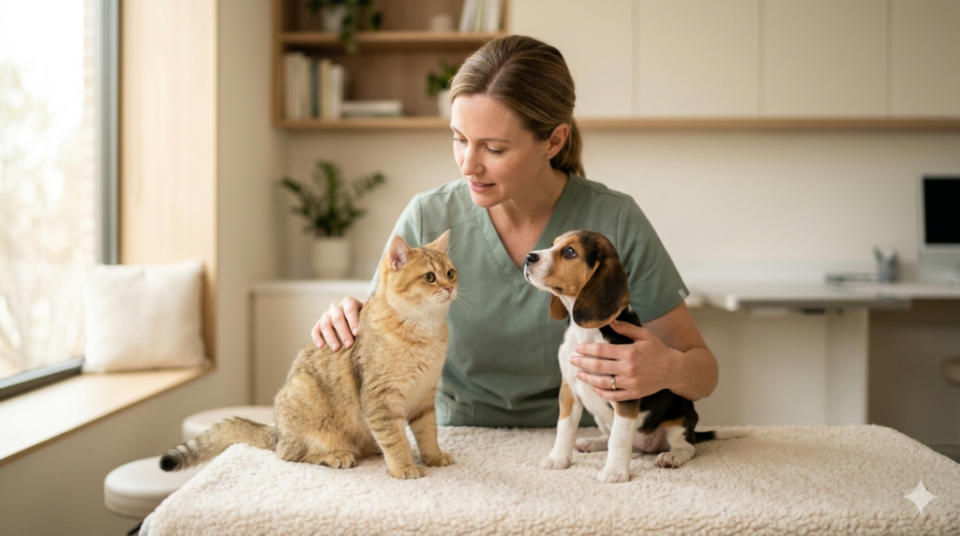
Welcoming a pet into your life is a transformative experience that brings immense joy, companionship, and laughter to a household. However, the commitment to being a responsible pet owner extends far beyond providing food and shelter. It requires a proactive approach to physical health, mental enrichment, environmental safety, and emotional bonding. By mastering the fundamentals of care, you ensure that your animal companion lives a long, healthy, and fulfilling life. Here are ten essential tips that every pet owner should implement to provide the best possible environment for their furry, feathered, or scaled friends.
1. Prioritize Preventive Veterinary Care
One of the most significant mistakes owners make is visiting the veterinarian only when their pet appears visibly ill. Preventive medicine is the bedrock of longevity. Annual or bi-annual wellness exams allow your veterinarian to detect silent conditions, such as early-stage kidney disease, dental decay, or hidden tumors, before they become life-threatening. Consistent wellness checkups also ensure that your pet is up to date on vaccinations and parasite prevention, which protects them from common environmental threats.
2. Implement a High-Quality Nutritional Program
Nutrition is the foundation of your pet’s physical health, affecting everything from their coat condition to their organ function. Not all commercial pet foods are created equal. Focus on products that list high-quality animal protein as the primary ingredient. Avoid diets packed with excessive fillers, artificial preservatives, or anonymous meat byproducts. Furthermore, treat food as a tool for health rather than just a way to fill a bowl. Use mealtime as a chance to practice obedience training or to incorporate slow-feeding devices that provide necessary mental stimulation.
3. Master the Art of Consistent Training
Training is not just about teaching tricks like sitting or staying; it is a critical component of communication and safety. A well-trained pet is safer in public, less stressed during veterinary visits, and more confident in new environments. Use positive reinforcement techniques—such as rewards, praise, and play—to shape desirable behaviors. Consistency is the secret ingredient here. Ensure that all members of your household use the same verbal cues and house rules to avoid confusing the animal.
4. Ensure Comprehensive Socialization
Socialization is the process of exposing your pet to new environments, people, animals, and sounds in a way that builds confidence rather than fear. A well-socialized pet is generally more adaptable and less prone to anxiety-driven behavioral issues. For dogs, this means controlled meetings with various types of people and other well-behaved pets. For cats, it involves early exposure to handling, carriers, and household sounds. Proper socialization helps prevent the development of phobias that can arise later in life.
5. Focus on Dental Hygiene
Dental disease is among the most overlooked health issues in pets. By the age of three, a high percentage of dogs and cats show signs of periodontal disease, which can lead to systemic infections affecting the heart, liver, and kidneys. Incorporating a daily brushing routine is the gold standard for oral health. If your pet is resistant, consider dental-safe chews, water additives, or specialized diets recommended by your veterinarian to help manage plaque buildup.
6. Create a Safe Home Environment
A home that is comfortable for humans can be hazardous for pets. Conduct a walkthrough of your living space to identify potential dangers. Store cleaning supplies, medications, and small objects that could be swallowed in secure, pet-proof cabinets. Be aware of common household plants that are toxic to pets, such as lilies for cats or sago palms for dogs. Additionally, keep power cords hidden and ensure that all windows have secure screens to prevent accidental falls or escapes.
7. Provide Consistent Mental Enrichment
Physical exercise is essential, but mental exhaustion is often what keeps a pet truly settled. Boredom is the leading cause of destructive behavior. Engage your pet’s brain daily through puzzle toys, scent work, hide-and-seek games, or short training sessions. For cats, this means providing opportunities to stalk and climb. For dogs, this might mean practicing new commands or using treat-dispensing toys. When a pet has to solve problems to earn their rewards, they are more content and less likely to engage in unwanted behaviors.
8. Monitor Weight and Body Condition
Pet obesity is a modern epidemic that significantly decreases life expectancy. It is easy for owners to lose track of subtle weight gain, especially in pets with thick fur. Learn to assess your pet’s body condition score by feeling their ribs and observing their waistline from above and from the side. If you are unsure about your pet’s ideal weight, ask your veterinarian for a target range. Adjust portion sizes based on your pet’s current activity level rather than strictly following the generic guidelines on a food bag.
9. Establish a Reliable Emergency Plan
Disasters or medical emergencies can happen when you least expect them. Every pet owner should have a dedicated emergency kit that includes basic first-aid supplies, a three-day supply of food, a copy of medical records, and a list of contact information for your regular vet and the nearest 24-hour emergency clinic. If you live in an area prone to natural disasters, ensure your pet is microchipped and that your contact information is always up to date in the national registry.
10. Invest in Quality Bonding Time
Ultimately, the most important aspect of pet ownership is the bond you share. Your pet relies on you for security, comfort, and companionship. Spend time daily interacting with your pet in a way that they enjoy—whether it is a long grooming session, a quiet cuddle, or a game of fetch. This time is not only beneficial for the pet’s emotional health but also reduces stress for the owner. A deep, trusting relationship makes every other aspect of care, including training and health management, significantly easier to navigate.
Frequently Asked Questions
How can I tell if my pet is feeling stressed or anxious?
Stress often manifests in subtle ways, such as excessive grooming, hiding, changes in appetite, or restless pacing. Dogs might pant or yawn when they are not tired, while cats might show increased vocalization or spraying behaviors. If you notice a sudden change in behavior, consult your vet to rule out underlying pain or illness.
Is it necessary to use a crate for my pet at night?
Crate training is a personal choice, but many animals find it comforting as it mimics a natural den-like environment. It is also an excellent safety tool for preventing nighttime accidents or ingestion of harmful items. If your pet enjoys their crate, it can be a valuable part of their routine.
What should I do if my pet eats something toxic?
Time is of the essence. Immediately contact your veterinarian or a pet poison control hotline. Do not wait for symptoms to appear. Have the packaging of the ingested substance or a description of the plant available so you can provide accurate information to the professionals.
Are professional grooming sessions really necessary for all breeds?
While some breeds have self-cleaning coats, many require professional grooming to prevent matting, which can cause skin infections and discomfort. Even if your pet does not have high-maintenance fur, professional grooming often includes nail trimming and ear cleaning, which are vital for overall health.
How much exercise does my pet actually need?
Exercise needs vary wildly based on breed, age, and health status. A young border collie may need two hours of vigorous activity, while an elderly cat may only need ten minutes of gentle play. Observe your pet’s energy levels and speak with your vet to create a custom exercise plan.
What is the best way to introduce a new pet to the household?
The key is a slow, controlled introduction. Keep the pets in separate rooms initially, allowing them to smell one another through a door. Use baby gates to facilitate visual contact without direct access. Always monitor initial physical interactions closely and provide each pet with their own safe, personal space.
How often should I change my pet’s toys?
Inspect toys regularly for wear and tear. If a toy has loose parts, stuffing coming out, or cracked plastic, remove it immediately to prevent choking or intestinal blockage. Rotating your pet’s toys every few weeks can keep them interested and prevent them from becoming bored with their collection.
