
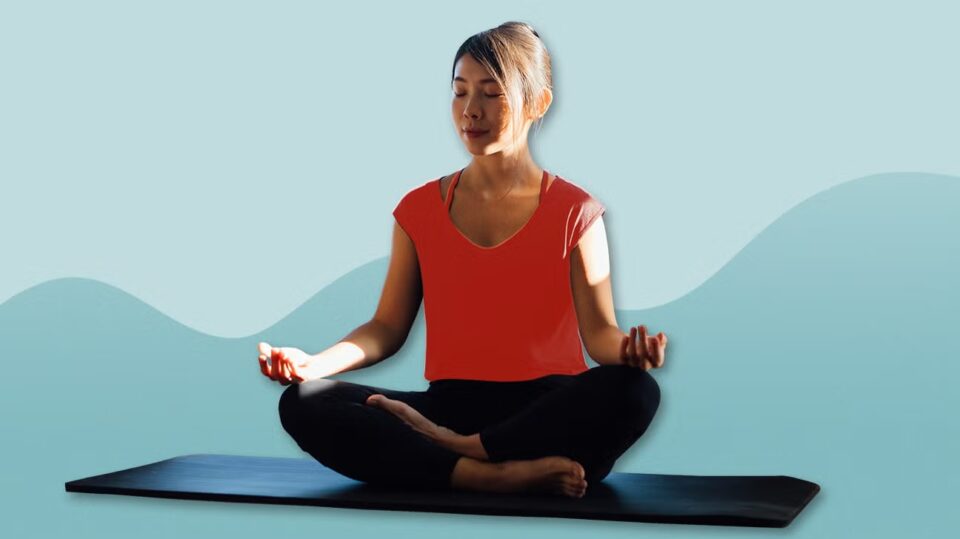
Meditation has emerged as a cornerstone of modern wellness, combining centuries-old traditions with contemporary scientific insights. Often misunderstood as merely sitting quietly or “emptying the mind,” meditation is a structured practice that cultivates focused attention, self-awareness, and emotional regulation. For individuals seeking long-term cognitive enhancement, stress reduction, and emotional resilience, meditation offers a multifaceted approach that integrates mind, body, and behavioral health. Evidence from neuroscience, psychology, and clinical research consistently demonstrates that regular meditation practice can profoundly affect both mental and physical well-being.
Understanding the Foundations of Meditation
Meditation is a deliberate mental exercise designed to develop mindfulness, attention control, and self-reflection. Unlike passive relaxation, it engages the brain in structured cognitive activity that influences perception, emotional responses, and physiological states.
Core Principles of Meditation
- Mindfulness: Sustaining attention on the present moment while acknowledging thoughts and feelings without judgment.
- Focused Attention: Concentrating on a specific object, breath, mantra, or sound to enhance mental discipline and cognitive control.
- Awareness and Insight: Observing internal and external experiences objectively to cultivate deeper self-understanding.
- Intentionality: Practicing meditation with clear objectives, whether for stress reduction, emotional regulation, or cognitive enhancement.
Neurological and Physiological Mechanisms
Regular meditation reshapes brain function and structure through neuroplasticity, the brain’s ability to reorganize itself in response to experience. Key mechanisms include:
- Reduced amygdala activity, lowering emotional reactivity and stress responses.
- Increased gray matter density in the prefrontal cortex and hippocampus, supporting attention, memory, and executive function.
- Enhanced parasympathetic nervous system activity, promoting relaxation, slower heart rate, and balanced blood pressure.
- Regulation of cortisol and inflammatory markers, improving overall stress resilience and immune function.
Types of Meditation and Their Unique Benefits
Meditation is not monolithic. Different techniques target specific mental, emotional, and physical outcomes, allowing individuals to tailor their practice to personal goals.
Mindfulness Meditation
- Focuses on present-moment awareness without judgment.
- Techniques involve breath monitoring, body scanning, or observing thoughts and emotions.
- Research shows consistent practice reduces anxiety, depression, and perceived stress.
Focused Attention Meditation
- Concentrates on a single object, thought, or mantra to improve mental clarity.
- Enhances sustained attention, cognitive flexibility, and working memory.
- Commonly used in clinical interventions for attention-deficit conditions.
Transcendental Meditation
- Utilizes silent mantra repetition to achieve deep mental relaxation.
- Associated with lower blood pressure, reduced cortisol levels, and improved autonomic regulation.
- Studies demonstrate benefits for emotional stability and cardiovascular health.
Loving-Kindness Meditation
- Cultivates compassion and positive emotions toward self and others.
- Enhances empathy, social connectedness, and emotional resilience.
- Shown to decrease social anxiety and increase prosocial behavior.
Body Scan Meditation
- Systematically focuses attention on different body areas to improve somatic awareness.
- Alleviates chronic pain, tension, and stress-related physical discomfort.
- Integral to mindfulness-based stress reduction (MBSR) programs.
Guided Meditation
- Led by an instructor or audio recording for structured visualization, relaxation, or cognitive training.
- Enhances sleep quality, focus, and stress management.
- Particularly useful for beginners requiring external guidance and feedback.
Evidence-Based Benefits of Meditation
Meditation is one of the few wellness practices supported by extensive scientific research, demonstrating measurable effects across cognitive, emotional, and physiological domains.
Mental Health and Cognitive Function
- Reduces anxiety, depression, and stress by modulating the hypothalamic-pituitary-adrenal (HPA) axis.
- Enhances attention span, working memory, and executive function.
- Supports emotional regulation, decreasing impulsive reactions and enhancing problem-solving abilities.
Physical Health
- Improves cardiovascular health by lowering blood pressure and heart rate.
- Boosts immune response, decreasing susceptibility to illness and inflammation.
- Alleviates chronic pain, headaches, and tension-related disorders.
Emotional and Social Well-Being
- Fosters empathy, compassion, and positive emotional states.
- Reduces rumination, negative thinking patterns, and emotional volatility.
- Encourages prosocial behavior, improved relationships, and community engagement.
Integrating Meditation into Daily Life
Consistency is critical for achieving the physiological and psychological benefits of meditation. Incorporating meditation into daily routines enhances long-term outcomes.
Practical Steps for Beginners
- Begin with 5-10 minutes daily, gradually increasing to 20-30 minutes.
- Select a quiet, comfortable environment free from distractions.
- Focus on breathing, a mantra, or guided meditation audio to anchor attention.
- Maintain a nonjudgmental approach, observing thoughts without trying to suppress them.
- Use meditation apps or structured programs to ensure consistency and guidance.
Daily Life Integration
- Practice mindful walking, eating, or household activities.
- Take short meditation breaks during work or study sessions for mental reset.
- Combine meditation with yoga, tai chi, or breathing exercises for holistic benefits.
Overcoming Common Obstacles
- Mental wandering can be mitigated with short, frequent sessions.
- Emotional discomfort may arise initially but diminishes with consistent practice.
- Establishing a fixed meditation routine can improve habit adherence.
Meditation in Modern Healthcare
Meditation has gained recognition as a complementary therapy in clinical, educational, and workplace settings.
Clinical Applications
- Integrated into cognitive-behavioral therapy (CBT) and mindfulness-based interventions.
- Supports recovery in PTSD, anxiety disorders, and substance use conditions.
- Assists in pre- and post-operative care, chronic pain management, and stress-related illnesses.
Workplace and Academic Benefits
- Reduces employee burnout, enhances focus, and improves decision-making.
- Athletes and performers use meditation to increase concentration, mental resilience, and recovery efficiency.
- Schools incorporate mindfulness programs to improve student attention, emotional regulation, and academic performance.
Emerging Research and Technology
- Neurofeedback meditation uses real-time brainwave monitoring to optimize attention and relaxation.
- Virtual reality meditation immerses participants in calming environments for enhanced engagement.
- Wearable biometrics track heart rate variability and stress markers to provide objective feedback on practice efficacy.
Frequently Asked Questions About Meditation
Q1: How soon will I notice benefits from meditation?
A: Short-term benefits like relaxation and focus improvements can occur within days to weeks, while structural brain changes and emotional resilience typically require consistent practice over several months.
Q2: Can meditation replace medication for mental health conditions?
A: Meditation is complementary, not a replacement. It enhances therapy outcomes but should be combined with professional medical guidance for clinical conditions.
Q3: Is there a correct meditation technique?
A: Effectiveness depends on personal goals and preferences. Consistency, focus, and mindfulness are more important than the specific technique.
Q4: Can children benefit from meditation?
A: Yes, children practicing age-appropriate meditation show improved attention, emotional regulation, and stress management.
Q5: How does meditation affect sleep quality?
A: Meditation promotes relaxation, reduces stress, and regulates circadian rhythms, contributing to better sleep onset and quality.
Q6: Can meditation enhance focus at work or school?
A: Regular meditation strengthens attention, working memory, and cognitive flexibility, improving productivity and decision-making.
Q7: Are there risks associated with meditation?
A: Meditation is generally safe, but some may experience temporary emotional discomfort. Individuals with trauma or severe mental health conditions should practice under guidance.
