
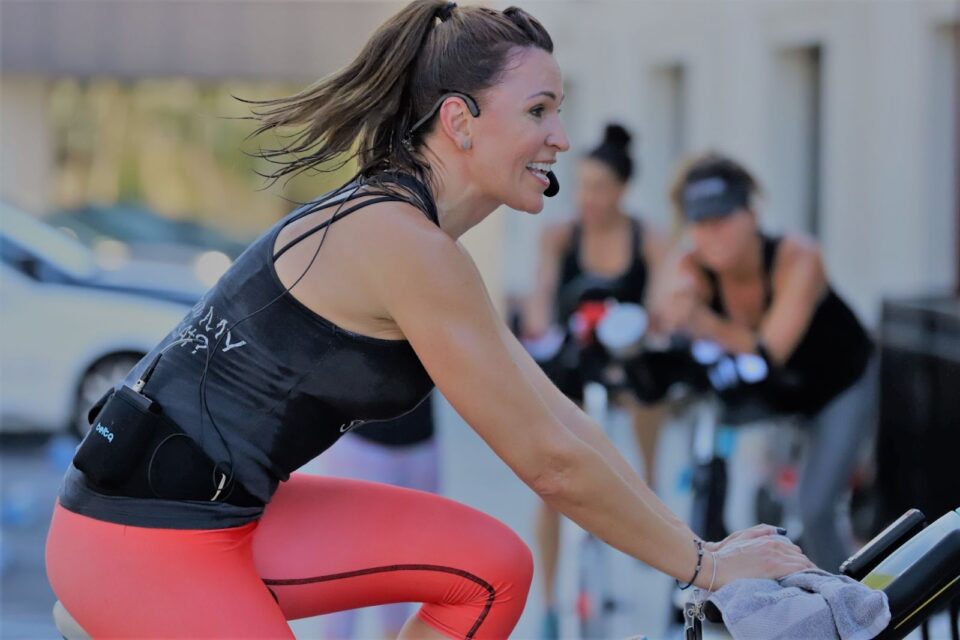
Walk into a well-designed spin studio and the audio experience is immediately distinctive. The sound is rich, enveloping, and precisely calibrated to the physical space. Walk into a poorly designed one and the music is either too loud, distorted, or positioned in a way that creates dead zones in the room where the sound quality drops noticeably. Most members attribute this difference to personal preference. The evidence suggests it is a performance variable.
The relationship between audio quality, music tempo, and training output in a spin studio Singapore context is well-supported by exercise science research. Studios that invest in professional audio infrastructure and deliberate music programming are not simply creating a better atmosphere. They are producing a measurably better training stimulus.
The Research on Music and Exercise Performance
The relationship between music and exercise performance has been studied extensively over the past two decades. The consistent findings are significant:
Music synchronised to movement increases exercise economy, meaning the body achieves the same physical output at a lower perceived energy cost. The reduction in perceived exertion from well-timed music is comparable in magnitude to moderate ergogenic aids.
Music tempo directly affects preferred exercise pace. Research by exercise psychologist Costas Karageorghis and colleagues has established that music with a tempo of 120 to 140 beats per minute produces optimal performance synchronisation for moderate to high intensity exercise, including cycling. Tempo outside this range is less effective at driving the movement synchronisation that produces the performance benefit.
Music reduces perceived exertion most powerfully at moderate intensities and loses its attentional displacement effect at very high intensities, where physical sensation dominates attention regardless of external stimuli. This means that music is most valuable during the sustained moderate effort segments of a spin session and becomes less influential during maximum sprint efforts.
Why Audio Quality Specifically Matters
The performance-relevant research on music and exercise assumes that the music is experienced clearly. Distorted, muffled, or inconsistently delivered audio does not produce the same attentional displacement and movement synchronisation effects as high-quality sound.
In a spin studio context, several acoustic factors determine whether the audio system delivers the performance benefit that quality music programming is designed to produce:
Speaker placement and coverage: Speakers positioned and aimed to provide even coverage across all riding positions ensure that every participant experiences equivalent audio quality. Poor placement creates louder and quieter zones, inconsistent synchronisation across the class, and instructor cueing that is difficult to hear in certain positions.
Frequency range and clarity: Quality studio audio systems reproduce the full frequency range of music accurately, including the bass frequencies that create the physical sensation of rhythm that synchronises movement most powerfully. Budget audio systems with poor low-frequency reproduction lose the most physiologically relevant component of the music-exercise synchronisation effect.
Volume calibration: Audio at inappropriate volumes either fails to displace attention sufficiently at low volumes or creates a physiological stress response from excessive loudness. Professional audio calibration establishes the volume range within which performance benefit is maximised without creating auditory harm over repeated sessions.
Music Programming as a Coaching Tool
Beyond audio system quality, the deliberate programming of music within spin sessions is a coaching tool that well-trained instructors use with precision.
Music tempo is matched to intended cadence targets in each session segment. A climbing segment targeting 70 to 75 RPM is programmed with music in a tempo range that naturally synchronises with this cadence. A sprint segment targeting 100 RPM is programmed with faster music that reinforces the intended movement speed.
Transitions between tracks are timed to coincide with segment transitions, using the psychological reset of a new song to mark a shift in effort level. Musical builds and drops are used to drive intensity peaks at physiologically targeted moments within the session.
This level of music programming requires significant preparation time and a genuine understanding of both the physiological structure of the session and the music’s rhythmic properties. It distinguishes instructors who treat session programming seriously from those who compile a playlist and press play.
The Acoustic Design Investment
Purpose-built spin studios that invest in acoustic design, including wall treatment materials that manage sound reflection and absorption, achieve a qualitatively different audio environment from rooms adapted from other uses. Excessive sound reflection creates a reverberant environment where spoken cues become unclear and music loses its rhythmic definition. Over-absorbed spaces sound flat and lifeless.
The right acoustic balance allows music to be energising and clear while instructor cues remain intelligible even at the volumes required to drive performance during high-intensity segments. This balance is achievable by design and not by accident.
FAQ
Does the type of music matter as much as the tempo for spin class performance?
Tempo is the most reliably performance-relevant musical variable. Genre and style affect personal preference and motivational response, which have indirect effects on performance through mood and engagement. Studios that programme for both tempo precision and genre appeal optimise both the direct physiological and indirect motivational effects.
Can I use my own headphones during a spin class to override the studio music?
Most studios discourage or prohibit personal headphone use during group classes because it impairs the instructor-member communication that is central to session safety and coaching quality. The studio audio environment is designed as a collective experience that supports group synchronisation effects.
How loud should a spin studio be during a class?
Safe exposure limits for repeated sound exposure are typically set at 85 decibels or below for extended durations. Well-managed spin studios calibrate their audio to stay within safe ranges while maintaining the volume required for performance effect. If a studio’s classes regularly leave your ears ringing after sessions, the volume is above recommended safe exposure levels.
Is the performance benefit of music the same for everyone?
Individual response to music during exercise varies. Some people are highly responsive to music-driven synchronisation and motivation, while others are less influenced by external audio stimuli. The average population effect is positive and meaningful, but the magnitude of benefit will differ between individuals.
TFX Singapore invests in studio acoustics and music programming as components of the training environment that directly affect the quality of each member’s session, not simply as atmosphere creation.
