
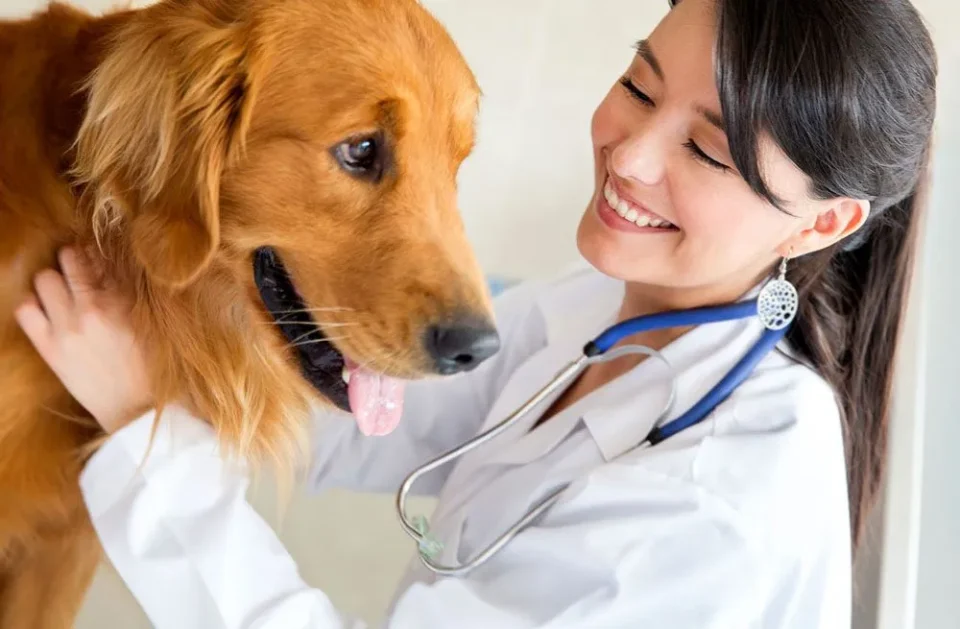
The landscape of veterinary medicine is undergoing a profound transformation. As we navigate through 2026, the integration of advanced technology, data-driven diagnostics, and personalized treatment plans has elevated the standard of care for our animal companions. For pet owners, this means that their furry family members now have access to medical interventions that were once reserved for human hospitals. From the precision of artificial intelligence to the regenerative potential of stem cell therapy, these breakthroughs are not only extending the lives of pets but also ensuring those lives are lived with greater comfort and vitality.
The Integration of Artificial Intelligence in Diagnostics
Artificial intelligence has transitioned from a buzzword into a foundational component of modern veterinary practices. One of the most significant impacts of AI is found in the field of diagnostic imaging. Radiographs, ultrasound scans, and even complex MRI results can now be analyzed by sophisticated machine learning algorithms in a matter of seconds. These tools help radiologists and general practitioners identify subtle abnormalities—such as minute fractures, early-stage tumors, or small clusters of inflammation—that might otherwise be missed during a standard visual assessment.
Beyond imaging, AI is being utilized to interpret vast amounts of electronic medical records to identify trends and predict health risks. By comparing a specific patient’s data against thousands of similar cases, veterinarians can now estimate the probability of chronic conditions, such as kidney disease or diabetes, occurring years before clinical symptoms manifest. This shift toward predictive medicine allows for early interventions that significantly improve long-term outcomes and quality of life.
Wearable Technology and Remote Health Monitoring
The modern pet owner no longer has to wait for a physical exam to understand their pet’s well-being. A new generation of wearable devices is providing a continuous stream of health data, effectively turning every pet into a subject of “real-time” observation. These wearables, often in the form of smart collars or harnesses, track vital metrics including:
-
Heart rate and respiratory patterns: Detecting stress or cardiac issues before they become emergencies.
-
Activity levels and sleep quality: Providing indicators for joint pain, lethargy, or behavioral shifts.
-
Environment monitoring: Tracking temperature and humidity to ensure pets remain within safe ranges.
When these devices sync with a veterinarian’s digital platform, they provide a comprehensive picture of the pet’s health between visits. This information is invaluable for managing chronic illnesses, as veterinarians can adjust dosages or dietary recommendations based on actual behavior and physiological data rather than anecdotal reports from owners.
The Rise of Precision and Regenerative Medicine
Precision medicine, or the customization of healthcare to the individual pet, is becoming a gold standard. By analyzing a pet’s genetic makeup and microbiome, veterinarians can now develop tailored nutrition plans and medication protocols. This is particularly effective for pets with food sensitivities, complex skin conditions, or hereditary predispositions to certain diseases. Instead of relying on a “one-size-fits-all” approach, modern veterinary care treats the specific biological requirements of the individual.
Parallel to this, regenerative medicine is changing how we manage physical trauma and degenerative disease. Stem cell therapy has emerged as a groundbreaking option for conditions like osteoarthritis. By harvesting and concentrating a pet’s own stem cells and reintroducing them into damaged joints, veterinarians can stimulate tissue repair and significantly reduce inflammation. This minimally invasive approach has allowed many older or previously immobile pets to regain their mobility and joy, offering a path to recovery that avoids the risks and long recovery times associated with traditional invasive surgeries.
Minimally Invasive and Robotic-Assisted Surgery
Surgical care in the veterinary world has become significantly less daunting thanks to advancements in laparoscopy and robotic-assisted techniques. Minimally invasive surgery involves using small incisions and specialized cameras, which drastically reduces trauma to the patient. For a pet, this means less pain, fewer complications, and a much faster return to normal activities compared to traditional open surgeries.
Robotic systems are also entering the veterinary theater. These systems provide surgeons with enhanced visualization and dexterity, allowing for extreme precision in delicate procedures. Whether it is performing a biopsy or complex reconstructive surgery, the stability and accuracy provided by robotics minimize human error and shorten the time the patient spends under anesthesia. These developments represent a commitment to the “patient-first” philosophy, where the goal is to provide maximum medical benefit with minimum physical burden on the animal.
Telemedicine and Accessible Veterinary Care
The accessibility of veterinary care has been greatly expanded by the growth of telemedicine. Digital platforms now allow pet owners to conduct virtual consultations for non-urgent issues, such as dermatological concerns or behavioral questions. This removes the stress of transporting an anxious or ill pet to the clinic, which is particularly beneficial for elderly animals or those residing in remote locations.
Tele-triage systems, often powered by AI chat assistants, help owners assess the urgency of their pet’s symptoms. These tools provide guidance on whether a pet needs immediate emergency care or can wait for an appointment the following day. This not only streamlines clinical workflows—allowing doctors to focus on the most critical cases—but also provides peace of mind to owners, ensuring that help is always just a few clicks away.
The Humanization of Pet Healthcare
Ultimately, the driving force behind these veterinary advancements is the evolving status of pets within the household. As society increasingly recognizes pets as integral family members, the expectations for their healthcare have shifted accordingly. This “humanization” of pet care has fueled investments in research and technology that mirror human medical trends. The result is a cycle of innovation where sophisticated diagnostics, personalized genetic treatments, and continuous monitoring are no longer luxuries but standard tools in the quest to keep our pets healthier, happier, and by our sides for as long as possible.
Frequently Asked Questions
1. Can stem cell therapy be used for any breed of dog or cat?
While stem cell therapy is primarily used for osteoarthritis, its application is generally based on the individual pet’s medical condition rather than their breed. A veterinarian will conduct a full physical and diagnostic assessment to determine if a specific patient is a suitable candidate for regenerative procedures.
2. Is AI in veterinary medicine intended to replace the veterinarian?
No, AI is designed to act as a diagnostic support tool. It provides veterinarians with data-driven insights, faster image analysis, and early warnings, but the final medical decision, clinical judgment, and compassionate care always remain the responsibility of the licensed veterinarian.
3. What should I look for in a wearable health device for my pet?
Look for devices that offer long battery life, secure data encryption, and, most importantly, the ability to share data directly with your veterinary clinic. A device is most useful when it integrates seamlessly into your vet’s existing digital record system.
4. Are these advanced veterinary services more expensive than traditional care?
While some advanced technologies or diagnostic tests may have a higher upfront cost, they can often lead to long-term savings. By detecting health issues earlier and utilizing more effective, targeted treatments, pet owners can often avoid the significant costs associated with treating advanced, chronic diseases.
5. How do I know if my pet needs a telemedicine appointment?
Telemedicine is best suited for non-urgent follow-ups, minor skin issues, nutritional guidance, or behavioral consultations. If your pet is showing signs of respiratory distress, severe trauma, or acute neurological changes, you should bypass telemedicine and proceed directly to an emergency veterinary facility.
6. Is robotic surgery available at all local veterinary clinics?
Robotic-assisted surgery is a highly specialized field and is generally available at larger veterinary specialty centers, teaching hospitals, or advanced surgical clinics. You may need a referral from your primary veterinarian to access these specific surgical services.
