
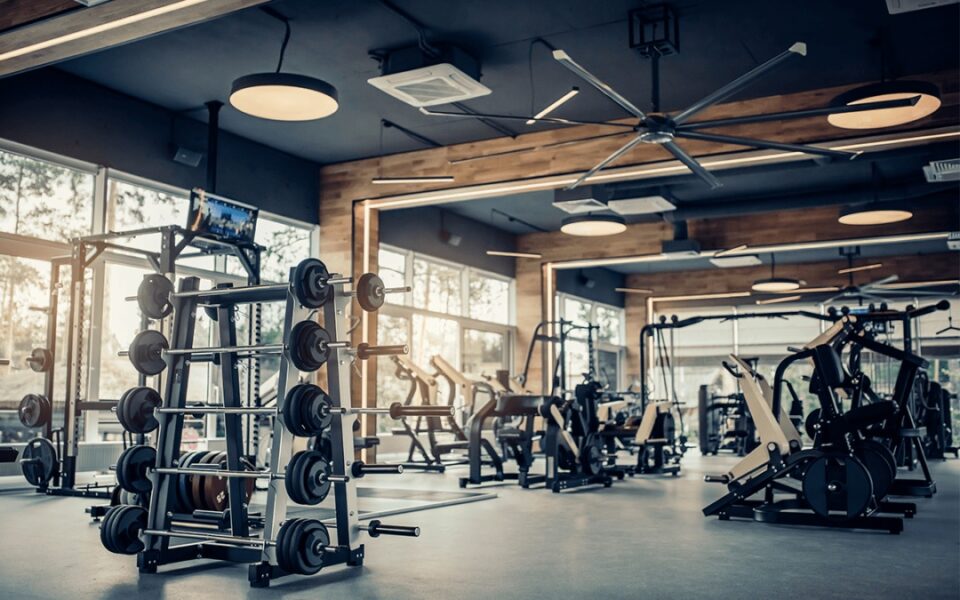
The gym has evolved into far more than a place for lifting weights or running on a treadmill. For millions of individuals, it is a structured environment designed to enhance physical fitness, improve overall health, and support long-term wellness. The role of a gym in modern life is multifaceted, providing access to equipment, expert guidance, and community support. Whether your goal is building strength, increasing endurance, managing weight, or improving mental well-being, a gym offers the resources necessary to achieve measurable results.
Understanding how to optimize gym time, select appropriate equipment, and design evidence-based workout plans is crucial for maximizing outcomes. A thoughtful approach ensures that every session contributes to progress while minimizing the risk of injury or burnout.
The Role of the Gym in Modern Fitness
The modern gym is not just a space for physical exercise; it is an ecosystem for health optimization.
Structured Training Environment
- Provides access to resistance machines, free weights, cardio equipment, and functional training areas.
- Facilitates progressive overload through measurable resistance and incremental increases in intensity.
- Offers spaces for specialized training, including HIIT zones, mobility and stretching areas, and group fitness studios.
Access to Expertise
- Gyms often employ personal trainers and fitness instructors who guide members through individualized programs.
- Trainers assist with exercise technique, injury prevention, and performance optimization.
- Many gyms provide workshops on nutrition, recovery, and lifestyle habits to complement physical training.
Community and Motivation
- Gyms foster a social environment that encourages accountability and consistency.
- Group classes and peer support increase adherence and motivation, which are key factors in long-term success.
- Many individuals experience enhanced mental well-being due to the sense of community and shared goals.
Health and Performance Optimization
- Regular gym attendance is associated with improvements in cardiovascular health, muscular strength, flexibility, and bone density.
- Exercise in the gym has been shown to reduce the risk of chronic diseases such as obesity, type 2 diabetes, and hypertension.
- Structured gym programs support mental health benefits, including reduced stress, anxiety, and depressive symptoms.
Essential Components of a Gym Workout
To maximize results, gym workouts should incorporate multiple elements of fitness.
Resistance Training
- Builds muscle mass, strength, and metabolic efficiency.
- Includes free weights, resistance machines, and functional training equipment.
- Key principles involve progressive overload, proper form, and periodization to ensure safe and effective results.
Cardiovascular Training
- Includes treadmills, stationary bikes, rowing machines, and elliptical trainers.
- Improves heart and lung function, endurance, and caloric expenditure.
- High-intensity interval training (HIIT) has become a popular approach for maximizing cardiovascular benefits in shorter periods.
Flexibility and Mobility Work
- Stretching, yoga, and dynamic mobility exercises improve range of motion, posture, and functional movement.
- Reduces the risk of injury and muscle imbalances, particularly for individuals engaging in heavy resistance training.
- Often incorporated as warm-up or cool-down routines to enhance overall performance.
Functional Training
- Focuses on movements that mimic real-life activities, improving strength, stability, and coordination.
- Utilizes equipment such as kettlebells, medicine balls, resistance bands, and suspension trainers.
- Functional training is particularly beneficial for athletes, seniors, and individuals seeking injury prevention.
Gym Equipment and Their Benefits
Modern gyms are equipped with a variety of tools to target different aspects of fitness.
Free Weights
- Include dumbbells, barbells, kettlebells, and weight plates.
- Encourage stabilizer muscle engagement, coordination, and balanced strength development.
- Highly versatile and suitable for compound movements like squats, deadlifts, and presses.
Resistance Machines
- Provide guided movement paths, making them safer for beginners.
- Allow for isolation of specific muscle groups for hypertrophy or rehabilitation.
- Useful for controlled progression in strength and endurance training.
Cardio Equipment
- Treadmills, ellipticals, bikes, and rowing machines enhance cardiovascular fitness and caloric expenditure.
- Many machines offer performance tracking, including heart rate, distance, and calorie metrics.
- Interval programming options allow for customized intensity adjustments.
Functional and Stability Equipment
- Includes medicine balls, resistance bands, balance boards, and TRX systems.
- Improves core strength, balance, and agility, which are essential for athletic performance and daily activities.
- Often used for rehabilitation and injury prevention programs.
Accessories and Recovery Tools
- Foam rollers, massage balls, and stretching straps support muscle recovery and mobility.
- Recovery and proper cool-down routines enhance long-term training sustainability.
Designing an Effective Gym Routine
Creating an evidence-based gym routine involves assessing individual goals, fitness level, and lifestyle factors.
Step 1: Define Goals
- Establish whether the primary objective is weight loss, strength gain, endurance, mobility, or general health.
- Clear goals guide exercise selection, intensity, and frequency.
Step 2: Assess Baseline Fitness
- Evaluate current strength, endurance, flexibility, and body composition.
- Use assessments to identify weaknesses, imbalances, or limitations.
Step 3: Plan Workout Structure
- Combine resistance, cardiovascular, and mobility exercises to ensure balanced development.
- Incorporate warm-up, main workout, and cool-down phases to enhance performance and safety.
- Apply progressive overload and periodization principles to avoid plateaus.
Step 4: Track Progress
- Use performance metrics, body measurements, and subjective feedback to evaluate improvements.
- Adjust program variables, including volume, intensity, frequency, and exercise selection.
- Continuous monitoring ensures long-term success and reduces risk of stagnation.
Safety and Injury Prevention in the Gym
Proper safety practices are essential to maximize benefits and prevent injuries.
- Warm-up thoroughly to increase blood flow and joint mobility.
- Maintain correct form and posture during exercises to protect muscles and joints.
- Start with lighter weights or low-intensity exercises when learning new movements.
- Ensure equipment is properly maintained and sanitized.
- Incorporate rest and recovery to allow tissue repair and adaptation.
Benefits of Consistent Gym Attendance
Long-term gym engagement provides substantial physical, mental, and social benefits.
- Enhances muscle strength, endurance, and cardiovascular health.
- Supports weight management and metabolic efficiency.
- Improves flexibility, balance, and functional movement.
- Reduces stress, anxiety, and depression, improving overall mental health.
- Provides a social environment that enhances motivation and accountability.
- Encourages healthy lifestyle habits beyond the gym, including nutrition, sleep, and active living.
Choosing the Right Gym
Selecting a gym that aligns with personal needs is critical for adherence and success.
- Evaluate equipment variety, cleanliness, and accessibility.
- Consider personal trainer availability and class offerings.
- Assess the gym culture and community environment for motivation and support.
- Check for flexible membership options, hours, and pricing.
- Ensure the gym offers safety protocols and emergency preparedness.
Frequently Asked Questions About Gyms
Q1: How often should I go to the gym for noticeable results?
A: Typically, 3–5 sessions per week are sufficient for strength, endurance, and health improvements. Results depend on program design, intensity, and adherence.
Q2: Can beginners benefit from gym workouts?
A: Absolutely. Structured programs, guided instruction, and progressive training ensure that beginners safely achieve measurable improvements.
Q3: Is it necessary to hire a personal trainer?
A: While not mandatory, trainers can accelerate results, provide proper technique guidance, prevent injuries, and create individualized plans.
Q4: Can gym workouts help with stress management?
A: Yes. Exercise triggers endorphin release, reduces cortisol levels, and promotes mental clarity and relaxation.
Q5: What should I eat before and after a gym session?
A: Pre-workout meals should be light and carbohydrate-focused for energy, while post-workout nutrition should include protein and carbohydrates to support recovery and muscle repair.
Q6: How can I avoid gym plateaus?
A: Incorporate progressive overload, varied exercises, and periodization strategies, and ensure sufficient recovery to continuously challenge the body.
Q7: Are gyms suitable for older adults or those with medical conditions?
A: Yes. Many gyms offer specialized programs and equipment modifications to accommodate seniors, rehabilitation needs, and chronic conditions safely.
A gym provides a comprehensive platform for physical fitness, health optimization, and mental well-being. By leveraging evidence-based practices, diverse equipment, and professional guidance, individuals can achieve measurable improvements across strength, endurance, mobility, and overall health. Consistency, proper program design, and safety considerations are key factors that transform gym attendance into a sustainable lifestyle choice that supports long-term wellness.
