
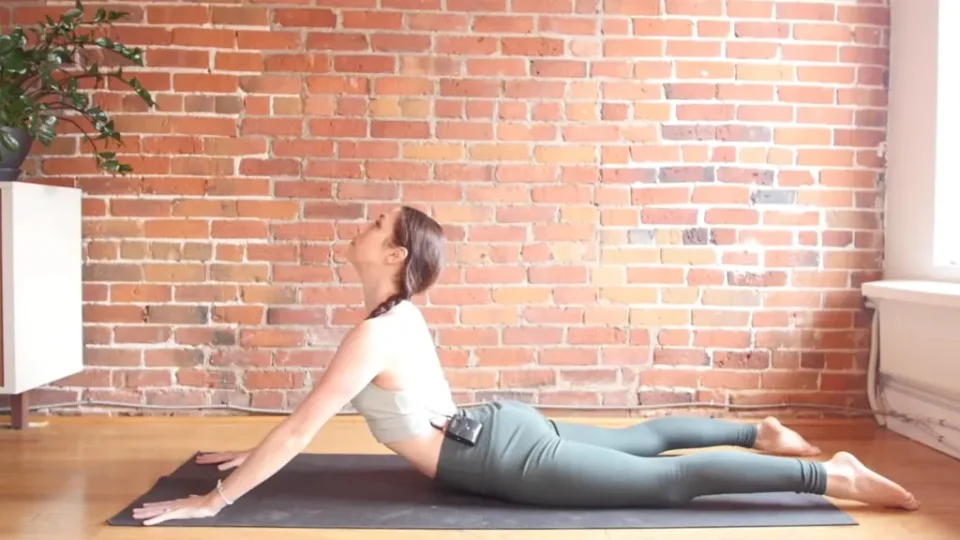
The transition from a busy, high-stress workday to a peaceful night is often harder than it sounds. Many people carry the day tension straight into the evening, bringing mental checklists, physical tightness, and unresolved stress right up to bedtime. When the body remains locked in a heightened state of alertness, falling asleep becomes an uphill battle, and true rest remains out of reach.
Integrating a gentle yoga sequence into your evening wind-down serves as an effective bridge between daytime activity and nighttime recovery. Evening yoga is not about burning calories or mastering complex inversions. Instead, it uses slow, passive postures, rhythmic breathing, and mindful body awareness to calm an overstimulated nervous system, release physical strain from desk work, and prepare the mind for deep, restorative sleep.
The Physiology of Evening Relaxation
To understand why restorative yoga is so effective at night, it helps to examine how the body handles stress. Throughout the day, demands from work, commuting, and constant digital notifications keep the sympathetic nervous system active. This fight-or-flight response increases heart rate, constricts blood vessels, elevates cortisol, and creates subtle, chronic muscle contractions along the neck, shoulders, and lower back.
Gentle evening yoga activates the parasympathetic nervous system, commonly known as the rest-and-digest mechanism. By moving the body into slow, supported postures and slowing down the breath, you stimulate the vagus nerve. This nerve sends signals across the heart, lungs, and digestive tract to lower blood pressure, reduce muscle tone, and clear stress hormones. As a result, the brain receives clear physical cues that it is safe to unwind, paving the way for natural melatonin production and smooth sleep onset.
Core Principles of an Evening Yoga Practice
Practicing yoga late in the day requires a distinctly different mindset and physical approach than a morning or midday flow.
-
Prioritize Support Over Intensity: Avoid strenuous standing balances, intense backbends, or rapid vinyasa sequences that heat up the core and spike heart rate. Focus instead on grounding postures that keep you close to the floor.
-
Embrace Generous Prop Support: Use bolsters, folded blankets, yoga blocks, and pillows to support the limbs and torso. Props allow your muscles to let go completely without straining or fighting against gravity.
-
Extend Your Holds Naturally: In evening restorative or yin styles, poses are held passively for three to seven minutes. This extended duration gently targets deep fascial networks, joint capsules, and ligaments rather than just surface muscles.
-
Coordinate Gentle Nasal Breathing: Maintain slow, smooth inhales and exhales through the nose throughout each posture. Emphasizing a longer exhalation than inhalation deepens relaxation and calms mental racing.
Essential Evening Yoga Postures for Stress Relief
The following restorative postures target the primary anatomical areas where daily physical and emotional tension accumulates, including the hips, spine, shoulders, and hamstrings.
Supported Child Pose (Salamba Balasana)
This deeply soothing posture turns attention inward, lengthens the lower back muscles, and opens the hips after long hours of sitting.
-
How to Practice: Place a bolster or a firm stack of blankets lengthwise between your knees while kneeling on a mat. Bring your big toes together and widen your knees comfortably. Fold forward gently, resting your torso and one cheek along the length of the bolster. Let your arms drape softly alongside the cushion with elbows bent.
-
Duration: Hold for three to five minutes, turning your head to the opposite side halfway through to keep your neck balanced.
Reclining Bound Angle Pose (Supta Baddha Konasana)
This restorative backbend passively expands the chest, rib cage, and shoulders, directly counteracting the forward-slumped posture caused by hours spent over computers and phones.
-
How to Practice: Sit on the mat with a bolster placed directly behind your lower back, running along the length of your spine. Bring the soles of your feet together and let your knees fall open to the sides. Place a yoga block or pillow under the outside of each thigh to eliminate strain on the inner groin. Slowly recline back onto the bolster, resting your arms out to the sides with palms facing upward.
-
Duration: Rest comfortably in this open posture for five to eight minutes while taking slow, deep abdominal breaths.
Legs-Up-the-Wall Pose (Viparita Karani)
Often considered the ultimate evening posture, this gentle inversion relieves tired legs, aids lymphatic drainage, and drops systemic blood pressure.
-
How to Practice: Sit sideways with your right hip touching a clear wall space. In one smooth motion, swing your legs up along the wall while lowering your back, shoulders, and head down onto the mat. Your sitting bones can rest right against the baseboard or a few inches away. Keep a soft bend in your knees if your hamstrings feel tight, and rest your hands gently across your lower belly.
-
Duration: Remain in this posture for five to ten minutes, closing your eyes and feeling the weight of the day drain from your feet.
Supported Reclining Spinal Twist (Supta Matsyendrasana)
Twisting gently across the mid-back and lumbar area decompresses the vertebrae, relieves tension along the spinal erectors, and aids evening digestion.
-
How to Practice: Lie flat on your back, draw your knees toward your chest, and slowly let both knees drop over to the left side onto a supportive pillow or blanket. Open your right arm out to the right in a comfortable T-shape, keeping both shoulder blades grounded against the floor. Turn your gaze straight up toward the ceiling or softly over your right shoulder.
-
Duration: Hold for three to four minutes on the left, then gently switch sides to balance the spine.
Supported Corpse Pose (Savasana)
The final resting posture integrates the entire sequence, allowing the physical body to settle into complete stillness before you get into bed.
-
How to Practice: Lie flat on your back on a soft mat or directly in bed. Place a rolled blanket or bolster beneath the back of your knees to take all mechanical pressure off your lower back. Cover yourself with a warm blanket and place a small eye pillow or folded cloth over your eyes to block out ambient light. Let your feet fall open naturally and rest your arms comfortably by your sides.
-
Duration: Rest in total stillness for seven to ten minutes, simply observing the natural rise and fall of your breath without trying to control it.
Designing a Calming Evening Environment
The physical space where you practice yoga significantly influences how easily your brain downregulates at night.
-
Dim the Lighting: Bright overhead lighting suppresses natural melatonin production. Switch off harsh bulbs sixty minutes before bed, relying instead on soft bedside lamps, Himalayan salt lamps, or warm accent lighting.
-
Eliminate Digital Interruptions: Put smartphones, tablets, and smartwatches on silent or airplane mode and keep them away from your yoga mat to avoid sudden alerts pulling you back into work mode.
-
Incorporate Gentle Aromatherapy: Diffusing soothing essential oils such as lavender, Roman chamomile, sweet marjoram, or cedarwood can cue the olfactory system that it is time to unwind.
-
Manage Ambient Room Temperature: Keep the room comfortably cool, ideally between sixty-five and sixty-eight degrees Fahrenheit. A cooler environment supports the natural drop in core body temperature that signals the onset of sleep.
Frequently Asked Questions
Can I do these relaxing yoga postures directly on my bed instead of a floor mat?
Yes, restorative and gentle yoga poses translate very well to a mattress, especially if you have mobility issues or find getting down to the floor uncomfortable. However, a very soft or sinking mattress offers less structural support than a firm floor mat, so using firm pillows or folded blankets underneath your joints is helpful to keep your spine properly aligned.
How long should I wait after eating dinner before starting an evening yoga routine?
It is best to wait roughly sixty to ninety minutes after a light to moderate dinner before doing evening yoga. While restorative poses are gentle and do not involve heavy abdominal compressions, lying flat on your back or twisting with a completely full stomach can cause acid reflux, indigestion, and physical discomfort that disrupt relaxation.
What should I do if my mind keeps racing with thoughts while holding passive yoga poses?
Racing thoughts are very common when you first slow down after a busy day. Rather than trying to force your mind to go blank, give your brain a simple, neutral task to anchor its focus. Try counting the length of your exhales, repeating a calming silent phrase on each breath, or focusing entirely on the physical points where your body meets the props and the floor.
Is practicing evening yoga safe for someone recovering from chronic lower back pain?
Restorative evening yoga can be very therapeutic for lower back pain, provided the postures are gentle and fully supported. Avoid deep, forceful forward folds or sharp spinal twists that pinch the vertebrae. Always place a firm bolster or rolled blanket under your knees during reclining poses to relieve pressure on the lumbar spine, and back out of any position that causes sharp discomfort.
Will doing gentle yoga before bed elevate my core body temperature and keep me awake?
Unlike high-intensity flows, power yoga, or hot yoga styles that elevate core temperature and stimulate adrenaline, restorative and gentle evening yoga relies on passive, floor-based poses and slow breathing. These techniques actually lower your heart rate, dilate peripheral blood vessels, and encourage the natural cooling process that helps you fall asleep easily.
Do I need to be naturally flexible to practice restorative evening yoga?
No flexibility is needed for evening restorative yoga. The goal of this practice is not to stretch muscles to their maximum range, but to support the body so completely with props that the nervous system can release deep-seated tension. If a pose feels tight or strenuous, adding more pillows or blankets underneath your limbs will make the shape accessible and comfortable.
What is the ideal total duration for a nightly pre-bedtime yoga routine?
A nightly session does not need to be long to be effective. Spending just ten to twenty minutes moving through three or four supported postures is plenty of time to downregulate the nervous system and prepare for rest. Consistency matters far more than duration, so a short, ten-minute routine done every night will yield better sleep benefits than an hour-long session done once a week.
