
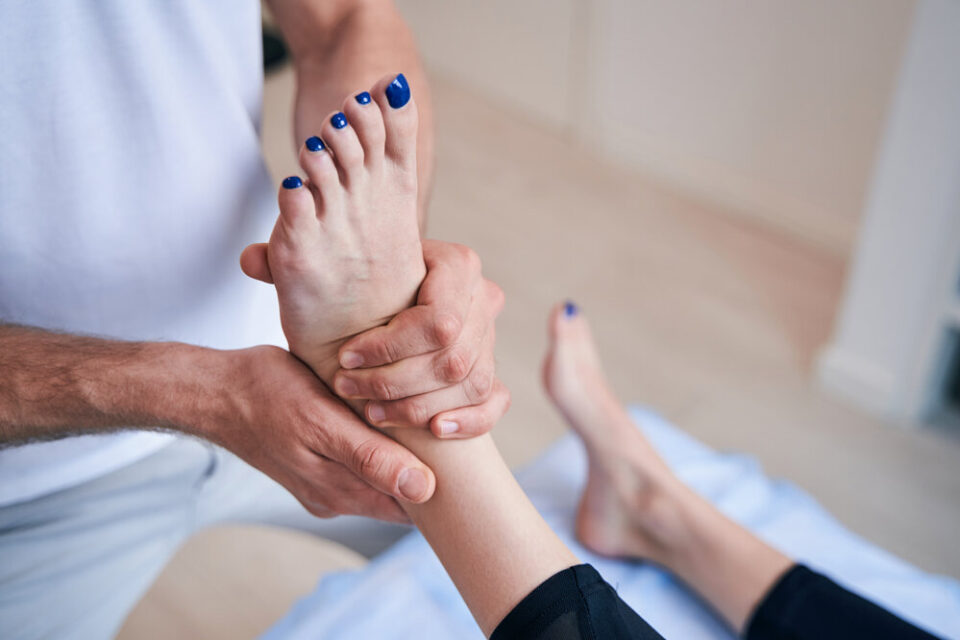
Traditional wellness systems have long prioritized whole-body harmony over isolated symptom management. Within these holistic paradigms, acupressure stands out as one of the oldest, most resilient manual therapies developed by human civilizations. Developed thousands of years ago in East Asia, this touch-based modality operates on the principle that the human body possesses an innate capacity for self-regulation, restoration, and equilibrium.
Rather than relying on invasive tools or synthetic compounds, traditional acupressure utilizes manual pressure to clear internal blockages, harmonize organ systems, and restore energetic circulation. By examining its philosophical roots, historical evolution, mechanical principles, and systemic applications, we gain a comprehensive understanding of how this ancient art shaped traditional healing and preserved human vitality for generations.
Historical Evolution of Acupressure
The origins of acupressure trace back more than two thousand years to ancient China, where it developed alongside herbalism, dietary therapy, and meditative movement arts. Early healers noticed that applying direct, intuitive pressure to certain tender spots on the body provided relief for internal ailments far removed from the physical site of touch. Soldiers wounded by stones or arrows during combat often reported unexpected improvements in unrelated, chronic health complaints, prompting scholars to document these sensitive nodes systematically.
The classical foundations of acupressure were formalized during the Han dynasty within foundational texts such as the Huangdi Neijing, or The Yellow Emperor’s Classic of Internal Medicine. This body of work detailed the intricate mapping of the human energetic anatomy, establishing standardized locations for hundreds of therapeutically active sites. Over centuries, these core techniques spread across Asia, evolving into distinct regional traditions such as Shiatsu in Japan, Tui Na in broader Chinese medical practice, and Marma therapy within the Ayurvedic traditions of India. Despite stylistic differences, every variation retained the fundamental belief that manual stimulation along defined bodily pathways restores internal equilibrium.
Philosophical Pillars in Traditional Systems
To fully grasp the traditional role of acupressure, one must understand the philosophical frameworks that guide its application:
-
The Concept of Qi: In traditional thought, Qi represents the fundamental vital force or bio-energy that animates every living organism. Health is viewed as the smooth, unobstructed circulation of Qi through the body, while illness, discomfort, and emotional distress are seen as signs of energetic deficiency, stagnation, or chaotic counter-flow.
-
The Meridian Network: Meridians, or Jing Luo, are internal energetic channels that weave through the physical body, connecting external surface tissues directly to internal organ networks. Acupressure points serve as physiological gates along these channels where internal Qi can be accessed, regulated, and cleared from the exterior.
-
Yin and Yang Polarity: Traditional healing views physical wellness as a dynamic balance between Yin, representing coolness, rest, structure, and receptivity, and Yang, representing warmth, activity, function, and movement. Acupressure techniques are carefully chosen to either sedate an excess of Yang heat or tonify a deficiency of Yin fluid.
-
The Five Phase Dynamic: Traditional Chinese medicine groups organ systems and bodily tissues under five natural elements: Wood, Fire, Earth, Metal, and Water. Practitioners apply pressure to specific elemental command points to resolve functional disharmonies between paired organ networks, such as the Liver and Gallbladder or the Spleen and Stomach.
Primary Therapeutic Aims in Classical Traditions
In classical medical frameworks, acupressure was rarely viewed merely as a reactive fix for isolated aches. It was practiced primarily as a comprehensive preventive health strategy and a restorative protocol aimed at systemic preservation.
-
Dispelling Pathogenic Factors: Traditional theory holds that external climatic extremes, such as wind, cold, dampness, dryness, and heat, can invade the surface of the body and settle in the joints or soft tissues. Acupressure opens superficial pores and clears local channels to expel these environmental stressors before they penetrate deeper internal organs.
-
Harmonizing Zang-Fu Organs: The solid Zang organs, including the Heart, Spleen, Lung, Kidney, and Liver, produce and store vital substances, while the hollow Fu organs, such as the Stomach and Intestines, process and transport materials. Stimulating distal acupressure points on the extremities sends balancing signals along deep channel branches directly to these core visceral structures.
-
Nourishing and Moving Blood: Classical medicine teaches that Qi leads the Blood, and Blood is the mother of Qi. By manually invigorating sluggish Qi circulation through manual kneading and pressing, acupressure encourages robust blood flow to malnourished muscles, vital organs, and sensory portals.
-
Calming the Shen: The concept of Shen encompasses emotional composure, mental focus, and spiritual presence, housed primarily within the Heart. Gentle, rhythmic acupressure along specific calming points settles agitated Shen, easing deep-seated emotional distress, insomnia, and pervasive mental fatigue.
Core Classical Acupoints and Their Traditional Indications
Traditional systems identified hundreds of specific points across the body, each possessing unique functional actions and clinical indications.
Zu San Li (ST 36) – Leg Three Miles
Located roughly four finger-widths below the kneecap, along the lateral crest of the shin bone, this point is historically considered the foremost tonification site in East Asian medicine.
-
Traditional Actions: Fortifies deficient Spleen and Stomach Qi, resolves chronic fatigue, boosts vital energy reserves, and supports long-term physical stamina.
-
Classical Lore: Ancient travelers and soldiers routinely applied strong pressure or heat to Zu San Li to walk an extra three miles after exhaustion had fully set in.
Tai Chong (LV 3) – Great Surge
Situated in the soft depression on the dorsal surface of the foot, between the metatarsal junction of the first and second toes.
-
Traditional Actions: Smooths stagnant Liver Qi, anchors rising Yang energy, relieves internal tension, and clears heat affecting the eyes and head.
-
Clinical Focus: Used extensively in traditional practice to relieve physical tightness brought on by suppressed anger, frustration, and sustained psychological constraint.
Shen Men (HT 7) – Spirit Gate
Located on the palmar wrist crease, in the small depression at the radial side of the flexor carpi ulnaris tendon.
-
Traditional Actions: Nourishes Heart Yin, settles unsettled Shen, eases emotional agitation, and promotes sound, uninterrupted sleep.
-
Clinical Focus: Classical practitioners turned to this point whenever an individual displayed memory cloudiness, palpitations caused by emotional shock, or chronic dream-disturbed rest.
Bai Hui (GV 20) – Hundred Convergences
Positioned at the highest vertex of the skull, on the theoretical midline connecting the tips of both ears.
-
Traditional Actions: Raises sunken Yang Qi, clears sensory faculties, stabilizes internal wind, and gathers scattered mental attention.
-
Clinical Focus: Used to treat prolapsed physical organs, chronic dizziness, mental brain fog, and feelings of energetic depletion.
Traditional Manual Techniques and Application Rules
The manual application of acupressure relies on precise hand mechanics to deliver specific therapeutic outcomes. Practitioners adjust the depth, angle, duration, and cadence of pressure according to whether a condition requires nourishment or dispersal.
-
Tonification (Bu Fa): Designed to strengthen weakened or depleted areas. The practitioner applies light, gentle, clockwise circular pressure for extended periods, coordinating the movement with the natural rhythm of the recipient’s slow exhalations.
-
Sedation (Xie Fa): Designed to disperse heavy blockages, severe stagnation, or inflammatory heat. The practitioner uses deep, firm, counter-clockwise circular motions or sustained, stationary thrusts with the thumb, knuckle, or elbow to break up dense physical and energetic congestion.
-
Harmonization (Ping Bu Ping Xie): A balanced approach using moderate, uniform pressure applied perpendicularly into the tissue. This technique balances points that are neither distinctly deficient nor excessively congested.
-
Breath Integration: In all traditional applications, the person receiving care is guided to breathe smoothly into their lower abdomen, known as the Dan Tian. Proper breathing ensures that internal channels remain relaxed, receptive, and responsive to external manual input.
Integration with Other Classical Healing Arts
Acupressure never functioned in isolation within ancient cultures. Instead, it operated as a key component of a comprehensive life-nurturing tradition known as Yang Sheng. Healers frequently combined acupressure with gentle movement practices like Qigong and Tai Chi, which use physical postures and focused breathwork to cultivate the exact same meridian channels from within.
Additionally, dietary energetics and seasonal living principles were aligned with manual care. An individual receiving acupressure for digestive sluggishness during the damp months of late summer was simultaneously instructed to consume warming, moisture-draining foods and practice specific stretches to keep their stomach channels supple. This interwoven ecosystem of physical, energetic, and lifestyle practices formed the foundation of ancient health preservation.
Frequently Asked Questions
What is the primary historical difference between acupressure and acupuncture?
Both modalities share an identical theoretical foundation, meridian map, and set of points. The core difference lies in the tool of application. Acupressure utilizes non-invasive manual contact, including fingers, palms, knuckles, and wooden tools, to stimulate points mechanically, whereas acupuncture employs fine, sterile metallic needles to pierce the skin and directly manipulate tissue structures at various depths.
How did ancient practitioners determine the correct location of an acupoint without modern anatomical charts?
Classical healers utilized a proportional measurement system known as Cun, which relies on the patient’s own body dimensions rather than fixed ruler measurements. For instance, the width of the interphalangeal joint of a person’s thumb represents one Cun, and the combined width of their four closed fingers represents three Cun. Healers combined these proportional measurements with tactile palpation to find localized depressions, tenderness, or texture changes that marked the active point.
What is the significance of the seasonal cycle in traditional acupressure practice?
Traditional wellness systems hold that the human body mirrors the changing natural world. Consequently, acupressure treatments were adapted to align with seasonal energetic shifts. In spring, treatments emphasized clearing the Liver meridian to support renewal and free movement. In winter, points on the Kidney meridian were prioritized to conserve vital warmth, preserve deep reserves, and protect against environmental cold.
How does the concept of Marma therapy in Ayurveda parallel classical Chinese acupressure?
Marma therapy is an ancient Indian healing art focusing on one hundred and seven vital junction points where muscles, veins, ligaments, bones, and joints intersect with subtle energy channels known as Nadis. Much like Chinese acupressure, Marma therapy employs manual finger pressure, herbal oils, and focused intent to stimulate these points, remove physical and energetic stagnation, and balance the three fundamental constitutional doshas: Vata, Pitta, and Kapha.
Can an individual effectively perform traditional acupressure on themselves without a trained practitioner?
Yes. Self-applied acupressure, historically termed Dao Yin or self-cultivation massage, has always formed a major branch of traditional health preservation. Individuals were routinely taught by village doctors and family elders to massage their own ears, hands, feet, and abdominal channels daily to maintain digestive health, preserve vision, and ease everyday aches without professional intervention.
What physical sensations indicate that a point is being stimulated correctly according to tradition?
Traditional texts describe the arrival of vital energy at a point through a composite sensation termed De Qi. This experience is typically reported by the recipient as a heavy, dull ache, mild numbness, localized warmth, tingling, or a gentle radiating sensation that travels along the pathway of the meridian channel, rather than a sharp, superficial surface pain.
How were energetic channels historically mapped across different regions of the human body?
Meridian channels were mapped through centuries of systematic clinical observation, somatic documentation by meditative masters who perceived internal energy currents, and anatomical dissections recorded in classical medical manuals. The pathways were categorized according to the limbs they traversed, whether they ran along the Yin interior or Yang exterior surfaces, and the specific visceral internal organs to which they were deeply tethered.
