
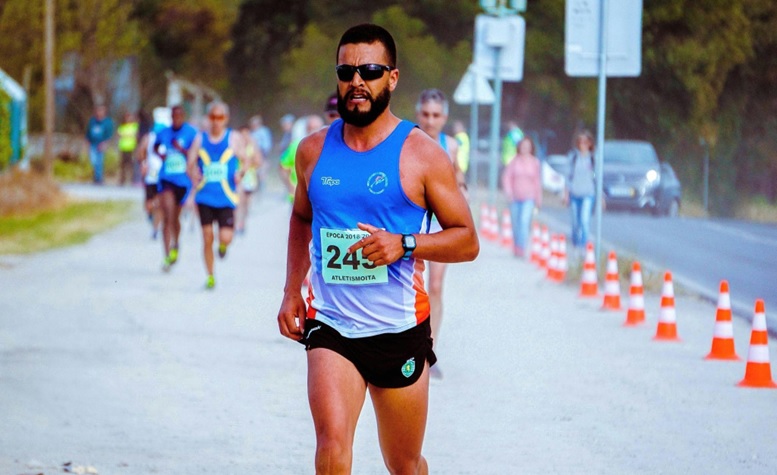
Long-distance running puts the body under physical demand for extended periods. Muscles become stronger, breathing patterns change and hydration becomes essential for improving endurance. However, not all health requirements are ticked off (even by professional athletes). Research examining oral health for runners suggests that endurance athletes may require specific oral care habits to protect their well-being during preparation.
Many runners focus carefully on mileage plans and nutrition strategies. However, the training environment itself can influence conditions inside the mouth in ways that are not always obvious.
Why Long-Distance Training Creates Unique Oral Conditions
Distance running exposes the body to prolonged physical stress. Training sessions may last several hours (particularly for athletes preparing for marathons or ultra-endurance events). The body loses fluids through sweating and energy levels are supported by frequent nutrition intake.
These conditions can influence the oral environment. With the reduced hydration, there may be a temporary decrease in saliva flow as well. At the same time, athletes often consume carbohydrate-based snacks, gels or drinks during long sessions to maintain energy.
Saliva normally helps wash away food particles and control germs. When saliva production drops, sugars or food residue may remain in contact with teeth and gums for longer periods. This combination may increase the chances of oral irritation during intensive training periods.
Why Preventive Oral Care Matters For Runners
Interestingly, studies examining ultra-endurance athletes show that many runners report good oral health despite these challenges. Researchers studying preventive health behaviour in endurance runners found that consistent oral care habits play a significant role in maintaining healthy teeth and gums.
Many runners practise regular brushing routines (using an anti-germ toothpaste like Colgate Total, powered by patented Dual Zinc + Arginine technology) and have regular dental check-ups even while following demanding training schedules. These habits appear to offset some of the risks associated with frequent nutrition intake during long training sessions.
Runners who take a proactive approach to health tend to maintain several supportive habits simultaneously. These habits may include balanced nutrition, injury prevention strategies and regular medical appointments.
Hidden Connections Between Oral Health And Athletic Performance
- Scientific research has shown that germs present in inflamed gum tissues can enter the bloodstream and circulate through the body. This process may contribute to systemic inflammation.
- The FDI World Dental Federation has warned that even small oral infections may affect overall health and athletic performance. This is caused mainly due to an increase in inflammatory activity within the body. Inflammation can affect the recovery after demanding physical effort. For runners who train frequently, efficient recovery is essential for maintaining endurance and reducing injury risk.
- Some sports science studies have also shown a potential link between oral health problems and higher rates of re-injuries among elite football players. While these findings require further research, they highlight how oral health may play a role in overall athletic resilience.
How Training Habits Influence Oral Health
Several everyday habits associated with long-distance running can influence oral health.
- Frequent energy intake during training exposes teeth to carbohydrates throughout the day. This repeated exposure may lead to growth of germs if oral hygiene routines are inconsistent.
- Extended breathing through the mouth during running can also reduce moisture in oral tissues. Over time, this dryness may contribute to gum irritation or discomfort.
- Travel schedules related to competitions may disrupt normal routines as well. Changes in diet, hydration and sleep patterns can all affect the balance of the oral environment.
Conclusion
Long-distance running demands consistent attention to many aspects of health, from nutrition and hydration to recovery and injury prevention. Oral care deserves similar consideration within an athlete’s routine. By maintaining preventive habits and supporting hydration during training, runners can reduce potential oral health concerns.
Disclaimers:
#Colgate Total promotes good oral health, which is part of overall well-being. Athletic performance depends on multiple physical and training factors and is not directly enhanced by the use of this product.##Germs refers to germs in the mouth.
