
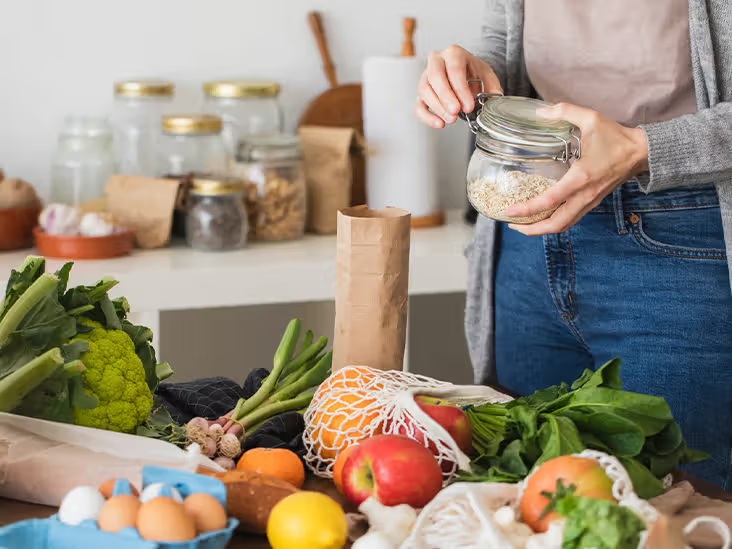
Eating a nutritious, balanced diet is often perceived as an expensive lifestyle choice reserved for those with substantial grocery budgets. Between flashy superfood trends, boutique health food stores, and pre-packaged organic snacks, the food industry frequently equates wholesome nutrition with high costs. In reality, nourishing your body requires simple, foundational ingredients rather than luxury labels.
Preparing meals at home remains the single most effective way to improve dietary quality while simultaneously protecting your household finances. By learning how to shop with intention, optimize humble staple foods, minimize kitchen waste, and master basic culinary techniques, you can enjoy vibrant, nutrient-dense meals every day without overspending.
Strategic Meal Planning Before You Shop
The path to affordable, healthy eating begins long before you walk through the sliding doors of a grocery store. Unplanned shopping trips are the primary driver of impulsive purchases, food spoilage, and unnecessary expenses.
-
Audit Your Inventory First: Before writing a shopping list, inspect your refrigerator, freezer, and pantry. Build your weekly menu around ingredients you already own to prevent forgotten items from expiring behind newer purchases.
-
Anchor Your Week with Versatile Ingredients: Choose four or five core base components that can cross over into several distinct flavor profiles, such as brown rice, canned crushed tomatoes, sweet potatoes, eggs, and frozen spinach.
-
Embrace Ingredient Overlap: If a recipe calls for half a bunch of fresh cilantro or half a head of cabbage, plan a second recipe that week, such as fish tacos and a crunchy slaw, to ensure the remainder gets used immediately.
-
Keep a Running Essentials List: Maintain a dedicated magnetic pad or digital note on your phone to jot down staples the moment they run low, preventing mid-week convenience store runs where prices are marked up heavily.
Maximizing Value at the Grocery Store
Navigating the supermarket with a clear financial and nutritional strategy allows you to extract the maximum nutritional yield per dollar spent.
-
Prioritize Whole, Unprocessed Foods: Highly processed convenience items carry steep markups for the labor of chopping, seasoning, and packaging. Buying whole heads of broccoli, whole carrots, and bulk dry grains saves substantial money compared to pre-shredded or individually packaged varieties.
-
Explore the Frozen Produce Aisle: Flash-frozen fruits and vegetables are harvested at peak ripeness, locking in essential vitamins and minerals often comparable to or exceeding fresh alternatives that have traveled long distances. They eliminate spoilage risk, allowing you to use exact portions without waste.
-
Buy Store Brands: Private-label supermarket brands frequently source their goods from the same manufacturing plants as name brands. Selecting generic rolled oats, olive oils, canned legumes, and spices yields instant savings of twenty to forty percent with no loss in food quality.
-
Look at the Unit Price: Compare items based on their price per ounce or pound, printed in small text on the store shelf tag, rather than the total package price. Larger containers often deliver far better value, particularly for shelf-stable items.
Nutrient-Dense, Low-Cost Staple Foods
Certain humble ingredients offer an unbeatable ratio of high micro- and macronutrients to low monetary cost. Building your daily meals around these foundational items ensures high nutritional density on a modest budget.
Dry and Canned Legumes
Lentils, chickpeas, black beans, and kidney beans are among the most economical sources of complex carbohydrates, dietary fiber, and plant-based protein available.
-
Culinary Flexibility: Blend chickpeas into homemade hummus, simmer black beans with garlic and cumin for taco bowls, or fold brown lentils into rich vegetable soups.
-
Preparation Tip: Buying dry beans in large bags yields the lowest cost per serving. Soak them overnight with a pinch of baking soda to speed up cooking time and improve gastrointestinal digestibility.
Whole Grains and Tubers
Brown rice, rolled oats, pearl barley, sweet potatoes, and russet potatoes provide steady, long-lasting energy, essential B vitamins, and filling fiber.
-
Culinary Flexibility: Rolled oats serve as a warming breakfast porridge, a base for homemade granola, or a binder in turkey meatballs. Roasted root vegetables serve as hearty sheet-pan sides or salad toppers.
-
Preparation Tip: Cook a large batch of mixed grains at the start of the week and store them in airtight glass containers for fast assembly during busy weeknights.
Eggs and Canned Seafood
Animal protein is typically the most expensive part of a grocery budget, but affordable, nutrient-rich animal sources exist in abundance.
-
Culinary Flexibility: Eggs provide high-quality complete protein and choline, making them suitable for scrambles, frittatas, and grain bowl toppings. Canned wild tuna, salmon, and sardines deliver concentrated omega-3 fatty acids, calcium, and protein.
-
Preparation Tip: Combine mashed canned salmon with an egg, breadcrumbs, and herbs to pan-sear crispy, nutrient-packed salmon cakes for a fraction of the cost of fresh fillets.
Cooking Techniques that Stretch Your Food Dollars
The way you prepare food at home directly influences how far your weekly budget will stretch. Adopting resourceful cooking habits transforms simple staples into deeply satisfying dishes.
-
The Meat-Stretching Technique: Instead of building a meal entirely around meat, cut the portion of ground beef or poultry in half and substitute the remaining volume with cooked brown lentils, finely minced mushrooms, or riced cauliflower. This cuts costs significantly while adding fiber and moisture.
-
One-Pot Soups and Stews: Soups, curries, and chili are forgiving culinary formats that accept limp vegetables, leftover cooked grains, and odd ends of cheese rinds. Simmering ingredients together deepens flavors and yields multiple lunch portions for the workweek.
-
Sheet-Pan Roasting: High-heat roasting caramelizes the natural sugars in inexpensive vegetables like cabbage, carrots, onions, and squash, elevating plain produce into rich, flavorful side dishes with minimal active prep time.
-
Homemade Flavor Enhancers: Make your own salad dressings, spice rubs, and simple pan sauces using basic kitchen staples like vinegar, mustard, olive oil, dried herbs, and garlic rather than purchasing expensive bottled varieties loaded with preservatives and added sugar.
Zero-Waste Kitchen Habits
Food waste directly equates to thrown-away money. Developing systematic habits to use every edible portion of what you buy creates immense financial efficiency.
-
Save Vegetable Scraps for Broth: Keep a large gallon-sized silicone bag in your freezer. Toss in clean onion ends, carrot peels, celery leaves, mushroom stems, and herb sprigs. Once full, simmer the scraps with water, peppercorns, and a bay leaf for an hour to produce rich, free vegetable stock.
-
Revive Wilted Greens: Leafy greens like spinach, kale, and cilantro that have lost their crispness can be blended directly into smoothies, stirred into simmering pasta sauces, or wilted into scrambled eggs.
-
Learn the Art of the Kitchen Sink Frittata: At the end of the week, gather leftover roasted vegetables, open jars of olives, and odd blocks of cheese. Whisk six to eight eggs, pour the mixture over the warmed leftovers in an oven-safe skillet, and bake until set for a high-protein, zero-waste meal.
-
Store Produce Properly: Store fresh herbs with their stems in a small glass of water like cut flowers, keep root vegetables in a cool and dark pantry away from direct sunlight, and separate ethylene-producing fruits like bananas from sensitive leafy greens.
Frequently Asked Questions
Is buying organic food essential for maintaining a healthy, balanced diet?
No. While organic farming reduces synthetic pesticide exposure, conventional fruits and vegetables contain virtually identical nutritional profiles in terms of vitamins, minerals, and dietary fiber. Thoroughly washing conventional produce under cold running water removes surface dirt, bacteria, and most pesticide residues. Eating an adequate volume of conventional vegetables is far healthier than skipping produce entirely due to the high cost of organic labels.
What are the best affordable alternatives to expensive fresh berries for smoothies and breakfast?
Frozen berries are the most economical alternative to fresh berries, offering equal antioxidant and nutrient levels at a fraction of the price per pound. Other budget-friendly fruit options that provide natural sweetness, dietary fiber, and essential micronutrients include whole bananas, seasonal apples, canned pineapple packed in its own juice, and unsweetened applesauce.
How can someone with limited free time cook nutritious budget meals without burning out?
Batch cooking and ingredient prepping are the most effective solutions for busy schedules. Dedicate one to two hours on a weekend to cook a large pot of grains, roast two sheet pans of hearty vegetables, and prepare a batch of hard-boiled eggs or simmered beans. Having pre-cooked meal components ready in the refrigerator allows you to assemble balanced, wholesome meals in less than ten minutes on busy weeknights.
Are canned vegetables as healthy as fresh vegetables for everyday cooking?
Yes, canned vegetables retain high levels of essential nutrients because they are processed and sealed immediately after harvesting. The main consideration with canned vegetables is the presence of added sodium used for preservation. You can easily mitigate this by selecting low-sodium or no-salt-added varieties, or by emptying the canned vegetables into a colander and rinsing them thoroughly under cold water before cooking.
How do I prevent bulk dry goods from going stale or attracting pests in my pantry?
Transfer dry staples such as brown rice, dry lentils, rolled oats, and whole-wheat pasta out of their thin commercial plastic bags immediately after purchase. Store them in airtight glass jars or sturdy food-grade containers with rubber gasket seals. Keep the containers in a cool, dry, dark pantry away from moisture and heat sources like the stove or dishwasher.
What is the most cost-effective way to add bold flavor to budget home cooking?
Investing in whole bulbs of fresh garlic, fresh yellow onions, fresh ginger root, and basic dried spices like ground cumin, smoked paprika, chili powder, and dried oregano provides the highest flavor return on investment. Buying dried spices from international markets or bulk bins rather than standard supermarket glass jars saves considerable money. Acidic additions like lemon juice and apple cider vinegar also brighten savory dishes without adding expensive specialty ingredients.
