
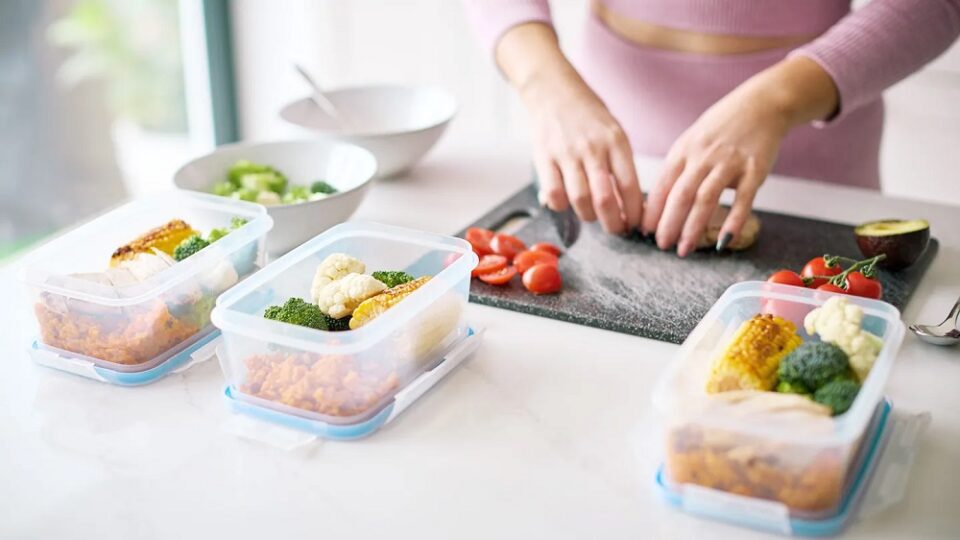
Healthy eating frequently collapses under the weight of unrealistic expectations, bland recipes, and complicated kitchen prep. Many people start nutritional changes with enthusiasm, only to abandon them when daily exhaustion meets an uninspiring plate of steamed vegetables and unseasoned protein. When nourishing food feels like a restrictive chore, it is almost impossible to sustain over the long haul.
Transforming healthy eating into an effortless, lasting habit requires shifting away from deprivation and toward practical convenience and sensory satisfaction. By streamlining your kitchen workflow, reimagining flavor profiles, and adopting flexible meal assembly strategies, you can make wholesome cooking the easiest, most rewarding part of your daily routine.
Rethinking Meal Prep for Maximum Flexibility
Traditional meal prep often involves cooking six identical containers of food on Sunday, leading to culinary boredom by Wednesday. A more sustainable approach focuses on ingredient batching rather than rigid single-meal portioning.
-
Batch Component Cooking: Instead of full recipes, prepare universal building blocks. Roast two trays of seasoned root vegetables, cook a large batch of quinoa or wild rice, and prepare a versatile protein like shredded chicken breast, baked tofu, or seasoned ground turkey.
-
Mix-and-Match Assembly: With distinct components ready in clear glass containers, you can pivot flavor profiles on demand. Combine your base ingredients with salsa, avocado, and black beans for a Mexican bowl on Monday, then toss the same base with tahini, cucumbers, and kalamata olives for a Mediterranean wrap on Tuesday.
-
Pre-Chop Aromatic Bases: Spend ten minutes dicing onions, bell peppers, celery, and garlic the moment you bring groceries home. Storing these aromatics in sealed containers removes the most tedious step of weeknight cooking, allowing you to start hot pans immediately.
-
Utilize Smart Freezing Techniques: Double every soup, stew, or casserole you make, freezing the second half in flat, stackable silicone bags. This builds an inventory of healthy emergency dinners for chaotic evenings when cooking from scratch is out of the question.
Stocking a Strategic Convenience Pantry
Convenience does not have to mean processed junk food. Keeping high-utility, nutrient-dense shortcut ingredients on hand bridges the gap between total exhaustion and a wholesome home-cooked dinner.
-
Frozen Produce Shortcuts: Pre-chopped frozen butternut squash, mixed stir-fry vegetables, frozen spinach, and organic berries require zero peeling, chopping, or washing. They are flash-frozen at peak nutritional density and go directly from freezer to pan or blender without waste.
-
Canned Legumes and High-Grade Seafood: Canned chickpeas, black beans, wild-caught salmon, and sardines provide instant, shelf-stable protein and fiber. Rinsing canned beans reduces excess sodium while leaving them ready for quick salads, grain bowls, or warm sautés.
-
Pre-Washed Salad Greens: Buying pre-washed tubs of baby spinach, arugula, and shredded cruciferous vegetables removes the barrier of spinning and drying greens, making it simple to add a large handful of raw vegetables to any plate.
-
Quick-Cooking Whole Grains: Keep fast-cooking grains like farro, red lentils, quick-cooking brown rice, and whole-wheat couscous stocked for meals that need to come together in fifteen minutes or less.
Elevating Flavor to Eliminate Blandness
Food should deliver genuine sensory pleasure. The belief that healthy eating must be plain, dry, or fat-free is outdated and counterproductive to sustained nutritional adherence.
The Power of Acid and Heat
Often, a dish that feels dull does not need more sodium; it needs acidity to brighten its natural flavors.
-
Citrus and Vinegars: Squeezing fresh lemon or lime juice over roasted greens, grain bowls, and grilled meats cuts through density and adds freshness. Keep a collection of distinct vinegars, such as raw apple cider, balsamic, and unseasoned rice vinegar, to adjust sauces and dressings.
-
Balanced Heat: Incorporating red pepper flakes, sriracha, smoked chipotle powder, or fresh jalapeños stimulates digestion and activates sensory receptors, making lighter meals feel considerably more robust and satisfying.
Fresh Herbs and Toasted Spices
Spices and herbs supply rich concentrations of antioxidants along with transformative flavors that alter the character of basic ingredients.
-
Bloom Whole Spices: Toasting whole cumin seeds, mustard seeds, or crushed coriander in a teaspoon of warm olive oil before adding other ingredients unlocks fat-soluble aromatics that infuse the entire dish.
-
Finishing with Soft Herbs: Fresh cilantro, dill, parsley, and basil should not be treated as mere garnishes. Toss whole leaves into salads and grain bowls by the cupful to add crisp texture and peppery, herbaceous bite.
Healthy Fats as Flavor Conductors
Fat carries flavor molecules across the palate and promotes satiety by slowing digestion and stabilizing blood sugar.
-
Cold-Pressed Oils: Drizzle extra virgin olive oil, toasted sesame oil, or avocado oil over finished dishes to provide rich mouthfeel and assist in the absorption of fat-soluble vitamins A, D, E, and K.
-
Nuts and Seeds: Toasted pumpkin seeds, hemp hearts, crushed walnuts, and sliced almonds add a crucial textural crunch that turns a soft, unexciting bowl into a dynamic meal.
Kitchen Tools That Accelerate Cooking Time
Having the right tools reduces kitchen friction and cuts active cooking times down to minutes.
-
The Air Fryer: An air fryer delivers the crispy, caramelized exterior of deep-fried food using high-velocity convection heat and minimal oil. It roasts vegetables, crisps tofu, and cooks salmon fillets in roughly half the time of a standard oven with virtually no preheat delay.
-
High-Powered Immersion Blender: An immersion stick blender lets you puree hot vegetable soups directly in the pot, whip up smooth vinaigrettes in a mason jar, or make quick fruit purees without transferring hot liquids into a bulky countertop blender.
-
Sharp Chef’s Knife and Honing Steel: Dull knives make prep work slow, frustrating, and unsafe. A single well-maintained, sharp eight-inch chef knife glides through hard winter squash, thick meats, and delicate herbs with minimal hand fatigue.
-
Rimmed Sheet Pans: High-grade half-sheet baking pans are the cornerstone of low-effort cooking. Spreading seasoned proteins and vegetables across a single hot pan yields rich caramelization and leaves behind only one item to wash.
Cultivating a Mindful and Enjoyable Eating Environment
How you consume your food influences your physiological digestion, fullness cues, and overall relationship with nutrition just as much as what sits on your plate.
-
Step Away from Screens: Eating while looking at laptops, televisions, or smartphones distracts the brain from processing stretch signals sent by the stomach. Dedicated screen-free meals allow you to register fullness naturally, preventing mindless overconsumption.
-
Plate Your Food Intentionally: Eating directly out of plastic takeout containers or meal prep tubs reinforces a mindset of rushed convenience. Taking one minute to transfer food onto a real ceramic plate with proper silverware changes the psychological perception of the meal from a functional task into an enjoyable dining experience.
-
Chew Thoroughly and Pace Meals: Digestion begins in the mouth with salivary enzymes. Chewing food completely eases gastrointestinal workload, limits post-meal bloating, and extends the sensory enjoyment of flavors and textures.
Frequently Asked Questions
What are the easiest ways to curb sugar cravings after a healthy dinner?
Sugar cravings after savory meals often indicate inadequate healthy fats or carbohydrates during dinner, or simply an ingrained habit of seeking a dopamine hit. You can satisfy this craving healthfully by eating a piece of high-percentage dark chocolate, sipping on cinnamon-infused herbal tea, or having a small bowl of Greek yogurt topped with frozen blueberries and a drizzle of raw honey.
How can I make raw vegetables taste better if I dislike plain salads?
Raw vegetables become far more palatable when combined with diverse textures and flavorful dressings. Try shaving dense vegetables like brussels sprouts, carrots, and fennel into paper-thin ribbons using a mandoline or vegetable peeler. Toss them with an emulsion of Dijon mustard, lemon juice, garlic, and olive oil, and finish with toasted sunflower seeds or shaved aged parmesan cheese to balance bitterness.
How do I handle social gatherings and restaurant meals without abandoning my routine?
Approach social dining with flexibility rather than rigid restriction. Look over the restaurant menu ahead of time to select an appealing option centered around grilled, roasted, or broiled proteins paired with vegetable sides. Drink plenty of water throughout the meal, prioritize socializing over continuous grazing, and return to your standard home-cooking routine at the very next meal without guilt.
What is the best way to keep fresh herbs and leafy greens from spoiling too quickly?
Moisture control is essential for extending produce longevity. Wash greens, dry them thoroughly in a salad spinner, and store them in a container lined with paper towels to absorb excess condensation. For soft herbs like parsley and cilantro, trim the bottom stems and place them upright in a small glass of water inside the refrigerator covered loosely with a reusable bag.
Can healthy eating remain enjoyable while managing a busy family with picky eaters?
Yes, using a deconstructed dinner format works wonders for mixed preferences. Serve meal components in separate bowls, such as roasted meats, cooked grains, raw chopped vegetables, cheese, and multiple dressings or sauces, allowing each family member to assemble their own plate according to personal taste while maintaining the same wholesome core ingredients.
How do I maintain consistency with healthy habits when traveling for work or vacation?
Prioritize simple, non-negotiable anchor habits rather than striving for perfection. Seek out grocery stores upon arrival to pick up whole fruit, nuts, and high-protein snacks for your hotel room. Aim to include a source of quality protein and colorful vegetables at two out of three daily meals, while staying well-hydrated throughout transit.
What should I do when I feel completely unmotivated to cook anything at home?
Build a list of five-minute, zero-cook meals that require no culinary effort. Whisking eggs for a two-minute scramble with pre-washed baby spinach and whole-grain toast, assembling a canned wild tuna salad with mashed avocado and whole-grain crackers, or blending a protein shake with frozen fruit and peanut butter provides complete nutrition without turning on the stove.
