
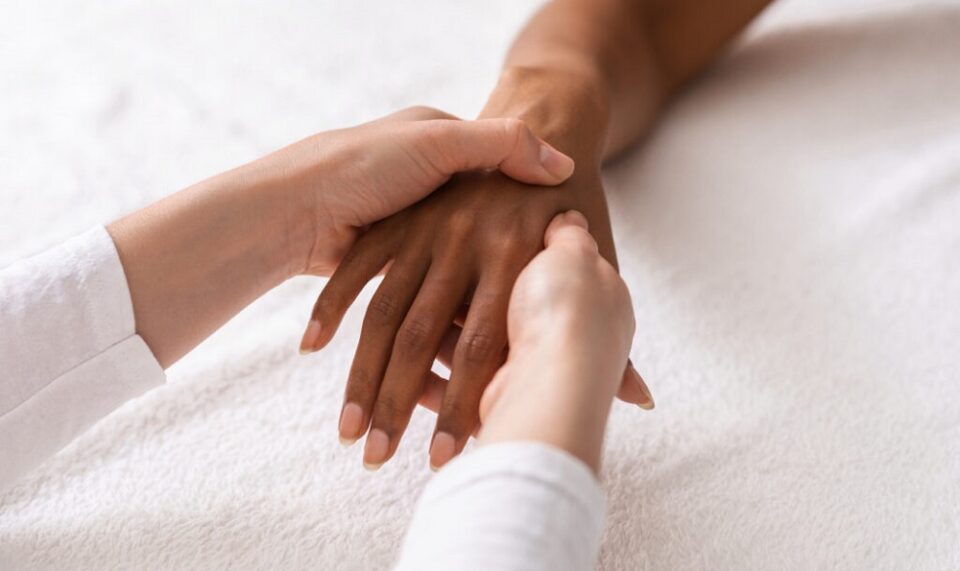
Modern wellness routines often feel crowded with expensive gear, complex supplement regimens, and demanding fitness schedules. In response to this digital fatigue, many individuals are turning toward grounded, time-tested modalities that require nothing more than their own two hands. Acupressure, an ancient healing practice rooted in Traditional Chinese Medicine, offers a accessible bridge between historic health philosophies and modern preventative care.
Integrating acupressure into a daily routine does not require an overhaul of existing habits. Instead, it serves as a flexible, zero-cost practice that actively downregulates the central nervous system, relieves mechanical tension, and restores physiological equilibrium throughout a hectic workday.
Understanding the Foundations of Acupressure
Acupressure operates on the principle that the human body contains pathways of vital energy, known as meridians. Along these pathways sit specific anatomical landmarks or acupoints. When physical or emotional stress disrupts the natural flow of this energy, stagnation occurs, often manifesting as localized soreness, chronic fatigue, digestive issues, or elevated stress levels.
From a biomedical perspective, applying sustained manual pressure to these points stimulates sensory nerve fibers beneath the skin. This input travels to the brain, triggering a neurochemical cascade that releases endorphins, improves local blood circulation, and downregulates the sympathetic nervous system. By encouraging parasympathetic dominance, acupressure shifts the body from a state of fight-or-flight into rest-and-digest mode.
Key Physiological Benefits for Everyday Living
Acupressure provides targeted relief for common modern ailments caused by sedentary work patterns, constant screen exposure, and psychological stress.
-
Nervous System Regulation: Targeted pressure on calming points significantly lowers salivary cortisol levels, slows an elevated heart rate, and calms persistent anxiety within minutes.
-
Musculoskeletal Tension Relief: Sustained, firm pressure breaks up myofascial trigger points in the neck, shoulders, jaw, and lower back, restoring tissue elasticity and improving range of motion.
-
Enhanced Circulation and Oxygenation: Manual stimulation dilates peripheral blood vessels, delivering fresh oxygen and nutrients to tissues while aiding the clearance of metabolic waste.
-
Digestive Harmony: Activating abdominal and limb meridians stimulates the vagus nerve, which helps regulate gastrointestinal motility, reduce bloating, and ease stress-induced stomach cramps.
-
Circadian Rhythm Support: Evening acupressure prepares the mind for deep sleep by encouraging melatonin production and quieting mental chatter.
Essential Acupressure Points for Daily Practice
Practicing acupressure at home or work requires only a few minutes and an understanding of key anatomical landmarks. Applying steady, firm pressure with a thumb, index finger, or knuckle produces noticeable physiological shifts.
He Gu (LI 4) on the Hand
Located on the webbed space between the base of the thumb and the index finger, Large Intestine 4 is among the most versatile points on the body.
-
Primary Uses: Relieving tension headaches, mitigating facial tightness, unclogging sinuses, and alleviating acute stress.
-
Application: Pinch the muscle band firmly using the opposite thumb on top and index finger beneath. Apply circular pressure for one to two minutes while taking deep, slow breaths. Avoid using this point during pregnancy due to its downward-moving energetic influence.
Yin Tang (Hall of Impression) on the Face
Located directly between the inner edges of the eyebrows, just above the bridge of the nose, this point is known for calming the spirit and relieving mental overstimulation.
-
Primary Uses: Easing digital eye strain, calming racing thoughts before sleep, and relieving frontal sinus pressure.
-
Application: Place the tip of your middle finger lightly on the spot between your brows. Apply gentle, upward-directed pressure or make tiny circular strokes for sixty to ninety seconds.
Nei Guan (PC 6) on the Inner Wrist
Found on the inner forearm, roughly three finger-widths down from the wrist crease between the two central flexor tendons.
-
Primary Uses: Alleviating motion sickness, calming heart palpitations, reducing nausea, and clearing tight chest sensations caused by acute panic.
-
Application: Use the thumb to press deeply into the groove between the tendons. Hold steady pressure for one to two minutes on both arms sequentially.
Tai Chong (LV 3) on the Foot
Situated on the top surface of the foot, in the depression between the junction of the first and second metatarsal bones.
-
Primary Uses: Calming irritability, relieving lower back tightness, reducing physical tension from long sitting sessions, and improving sluggish energy.
-
Application: Slide your finger down the valley between your big toe and second toe until it settles into the soft hollow. Apply downward pressure for one to two minutes.
Jian Jing (GB 21) on the Shoulder
Located at the highest point of the shoulder muscle, midway between the base of the neck and the outer edge of the shoulder joint.
-
Primary Uses: Releasing chronic upper trapezius stiffness from desk work, alleviating postural neck pain, and lowering bodily stress.
-
Application: Reach over the opposite shoulder with your fingers, hook your middle finger into the thickest part of the muscle, and pull forward and down with moderate force for two minutes.
How to Build a Sustainable Acupressure Routine
Consistency yields far greater long-term results than sporadic, intense practice. Embedding micro-sessions into already established daily rituals ensures the habit sticks without demanding dedicated blocks of time.
-
Morning Awakening: Spend sixty seconds stimulating Tai Chong (LV 3) before getting out of bed to encourage healthy blood flow and ground your morning energy.
-
Midday Reset: Whenever screen fatigue or postural strain emerges at work, take a two-minute break to press He Gu (LI 4) and roll the shoulders back to relieve upper body compression.
-
Commute or Travel Calming: Use Nei Guan (PC 6) during transit to offset motion sickness, settle the stomach, and mitigate travel-related tension.
-
Evening Wind-Down: Combine gentle circular massage on Yin Tang with rhythmic breathing as part of your pre-sleep ritual to signal your brain that the day is over.
Step-by-Step Application Technique
To maximize the therapeutic impact of any acupressure session, follow these mechanical guidelines:
-
Adopt a Neutral Posture: Sit or lie down in a comfortable position with your spine supported, shoulders unhinged, and feet flat on the floor.
-
Locate the True Acupoint: Slide your finger across the general area until you find a slight depression or an area that feels noticeably more tender or dense than the surrounding tissue.
-
Calibrate Pressure Correctly: Apply a level of force that produces a deep, achy sensation rather than sharp, piercing pain. The intensity should fall around a four or five on a ten-point discomfort scale.
-
Coordinate Your Breath: Inhale slowly through the nose into the lower abdomen, and exhale completely through the mouth as you sustain steady, unyielding pressure.
-
Release Gradually: Ease off the pressure slowly over three to five seconds rather than releasing abruptly, allowing the localized tissue to re-perfuse naturally.
Complementary Tools for the Modern Practitioner
While finger pressure remains the most versatile method, various tools can enhance your practice:
-
Acupressure Mats: Fitted with thousands of tiny plastic spikes, these mats distribute weight evenly across the back or feet, stimulating multiple meridians at once to release whole-body muscular tension.
-
Ear Seeds: Tiny adhesive seeds placed on specific auricular points provide continuous, micro-level stimulation over several days to manage cravings, sleep disturbances, and baseline stress.
-
Massage Rollers and Probes: Precision metal or wooden probes allow users with joint pain or hand fatigue to access deep points on the feet and neck without straining their thumbs.
By viewing acupressure as an intuitive, daily self-care habit rather than a complicated medical intervention, anyone can cultivate greater physical resilience, mental clarity, and somatic balance.
Frequently Asked Questions
Can acupressure replace conventional medical treatments?
No. Acupressure functions as a complementary, supportive modality designed to enhance baseline wellness, relieve mild musculoskeletal complaints, and support nervous system balance. It should never be used as a substitute for professional medical diagnosis, surgery, or prescription medications for acute or chronic illnesses.
How soon can someone expect to feel results from an acupressure session?
Acute symptoms such as mild tension headaches, nausea, or situational anxiety often ease within two to five minutes of steady, correct pressure. For chronic postural stiffness or sleep challenges, cumulative improvements generally become apparent after two to three weeks of daily practice.
Is it normal for acupressure points to feel tender or sore during treatment?
Yes. Acupoints often correspond to areas with high concentrations of nerve endings, mast cells, and microvascular beds. When an area holds stagnation or muscular tension, applying pressure naturally produces a mild, dull ache known as the de qi sensation. Sharp, burning, or unbearable pain, however, indicates you are pressing too hard or on the wrong anatomical structure.
Are there any specific contraindications where acupressure should be avoided?
Never apply direct pressure over open wounds, bruises, active skin rashes, varicose veins, swollen joints, bone fractures, or areas of unexplained localized inflammation. Individuals with bleeding disorders or deep vein thrombosis should avoid deep pressure techniques entirely.
How many times per day can a person practice acupressure on the same point?
You can safely treat the same point two to three times throughout the day, provided the skin and underlying soft tissues do not become excessively tender or irritated. Micro-sessions lasting two to three minutes each are optimal for sustained benefit.
Can using tools like acupressure mats cause skin damage or puncture wounds?
High-quality acupressure mats use engineered plastic points shaped to stimulate the dermis without piercing the skin barrier. While the sensation can feel intense for the first few minutes, the skin will show only temporary redness due to increased local capillary blood flow, which resolves quickly after you step or stand off the surface.
What should a person do if they feel lightheaded during or after a session?
Lightheadedness can occur if a session induces a rapid drop in blood pressure through parasympathetic activation, or if you hold your breath while applying force. If you feel dizzy, stop immediately, sit or lie down comfortably, drink a glass of room-temperature water, and practice steady, natural breathing until your balance returns.
